


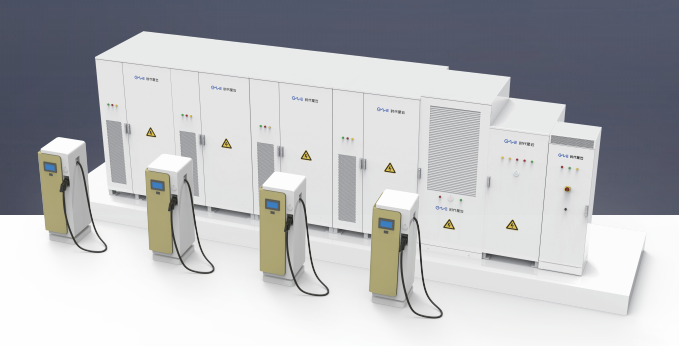
The rapid growth of electric vehicles (EVs) is transforming the global transportation landscape. As more individuals and businesses adopt electric mobility, EV charging stations have become a critical part of modern infrastructure. These stations enable convenient, reliable, and efficient charging, supporting the transition toward cleaner and more sustainable transportation.
What Is an EV Charging Station?
An EV charging station is a facility that supplies electrical energy to recharge electric vehicles. It connects to the power grid or renewable energy sources and delivers electricity safely to the vehicle’s battery. Charging stations can be installed in homes, workplaces, public parking areas, highways, shopping centers, and commercial properties.
EV charging stations vary in power capacity, charging speed, and connector type, making them suitable for different use cases and vehicle models.
How EV Charging Stations Work
EV charging stations transfer electricity from the power source to the vehicle’s battery through a charging cable and connector. The station communicates with the vehicle to ensure safe voltage levels, monitor charging status, and stop charging once the battery is full.
Modern charging stations are equipped with smart features such as mobile app connectivity, real-time monitoring, payment systems, and remote diagnostics. These features improve user convenience and operational efficiency.
Types of EV Charging Stations
EV charging stations are generally categorized into three main levels:
- Level 1 Charging
Level 1 chargers use standard household outlets and provide slow charging. They are suitable for overnight home charging but not ideal for public or commercial use. - Level 2 Charging
Level 2 chargers offer faster charging and are commonly installed in homes, offices, shopping centers, and public parking spaces. They balance charging speed and affordability, making them widely popular. - DC Fast Charging (Level 3)
DC fast chargers deliver high-power charging, allowing EVs to charge up to 80% in a short time. These stations are typically located along highways and major travel routes for long-distance travel.
Key Components of an EV Charging Station
An EV charging station consists of several essential components:
- Power supply and electrical panel
- Charging unit and connector
- Control and communication system
- Safety features such as circuit breakers and grounding
- User interface and payment system
Together, these components ensure safe, efficient, and user-friendly charging.
Benefits of EV Charging Stations
EV charging stations offer numerous benefits for individuals, businesses, and communities:
- Environmental sustainability: Reduces reliance on fossil fuels and lowers carbon emissions.
- Convenience: Enables drivers to charge vehicles at home, work, or public locations.
- Economic opportunities: Creates new business models and revenue streams for property owners.
- Energy efficiency: Electric vehicles are more energy-efficient than traditional vehicles.
- Support for renewable energy: Charging stations can be integrated with solar or wind power systems.
These benefits make EV charging stations a vital part of sustainable urban development.
EV Charging Stations for Businesses and Commercial Properties
Installing EV charging stations at commercial locations provides significant advantages. Businesses attract EV-driving customers, enhance brand image, and demonstrate environmental responsibility. Offices can offer charging as an employee benefit, while hotels, malls, and restaurants increase customer dwell time.
Fleet operators and logistics companies use EV charging stations to reduce fuel costs and meet sustainability targets. Combined with energy storage systems, charging stations can optimize energy use and reduce operational costs.
Challenges in EV Charging Infrastructure
Despite rapid growth, EV charging infrastructure faces several challenges:
- High installation costs: Especially for fast-charging stations requiring grid upgrades.
- Grid capacity limitations: Increased demand can strain existing electrical networks.
- Charging time: Fast charging improves convenience but requires advanced technology.
- Standardization issues: Different connectors and protocols can complicate compatibility.
- Maintenance and reliability: Regular servicing is essential for uninterrupted operation.
Addressing these challenges requires coordinated efforts from governments, utilities, and private investors.
Smart and Future-Ready EV Charging Solutions
The future of EV charging stations lies in smart and connected technologies. Smart chargers use data analytics and artificial intelligence to optimize charging schedules, reduce grid load, and integrate renewable energy. Vehicle-to-grid (V2G) technology will allow EVs to supply power back to the grid, enhancing energy flexibility.
Wireless charging, ultra-fast chargers, and solar-powered charging stations are also emerging innovations that will further improve convenience and sustainability.
The Role of Government and Policy Support
Governments worldwide are supporting EV charging infrastructure through incentives, subsidies, and regulations. Public-private partnerships are accelerating deployment, while policies encourage adoption in residential and commercial buildings. These efforts are essential to meeting climate goals and promoting electric mobility.
Conclusion
EV charging stations are the backbone of the electric vehicle ecosystem. They enable widespread EV adoption by providing reliable, accessible, and efficient charging solutions. As technology advances and infrastructure expands, EV charging stations will continue to play a crucial role in reducing emissions, supporting clean energy, and shaping the future of transportation.